So, you’ve probably heard a lot about AI lately. It’s not just for sci-fi movies anymore; it’s actually changing how businesses work. Big companies like PwC and KPMG have been busy building their own AI systems, kind of like digital employees.
These aren’t just simple chatbots; they’re designed to handle complex tasks, work together, and even learn. This article is going to look at these major AI players and what they mean for the future of work. You might be wondering, “Who are the big 4 AI agents?” Well, we’re about to find out.
Key Takeaways
- The Big 4 AI agents, developed by major firms like PwC and KPMG, are advanced digital teammates designed for complex business tasks, not just simple commands.
- These AI systems can collaborate, reason, and adapt, moving beyond single-task automation to handle multifaceted projects and decision-making.
- Firms are integrating these AI agents into their operations, treating them like digital talent that needs onboarding, training, and performance management.
- The evolution of AI agents means they will become more capable, understanding more than just text, interacting through voice, and working together in complex systems.
- Adopting these AI agents is seen as a strategic move to boost productivity, create new business models, and help human workers focus on higher-value activities.
Understanding the Big 4 AI Agents
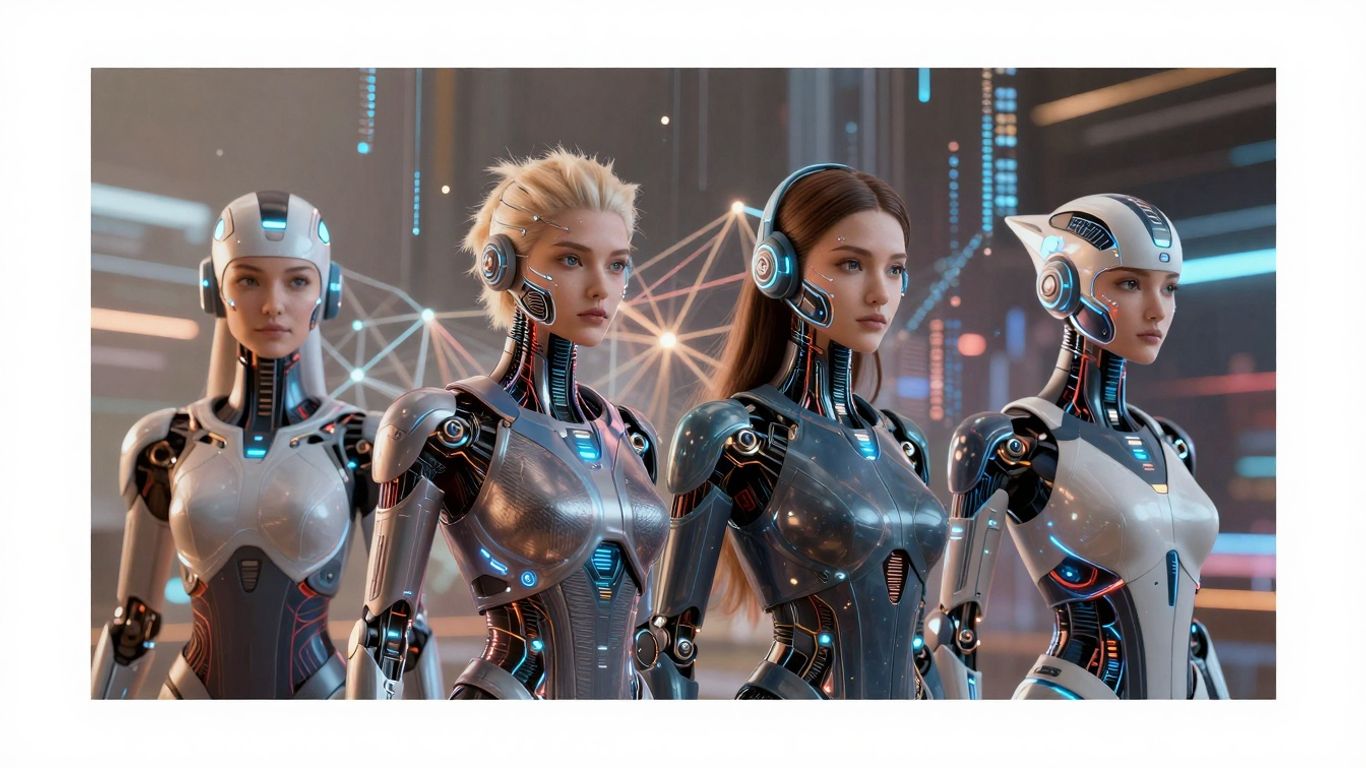
AI has moved way past being just a tech buzzword. Now, it’s something businesses are really talking about at the highest levels. By 2025, you’ve seen the biggest professional services firms – PwC, Deloitte, EY, and KPMG – all roll out their own AI platforms that use multiple agents working together.
These aren’t just fancy new tools; they’re changing how we think about work itself. They’re basically putting smart digital helpers right into the middle of how companies operate globally. We’re going to look at why these AI agents popped up, what they do, and why they’re a big deal for anyone trying to figure out this new AI world.
The Evolution from Task-Specific AI
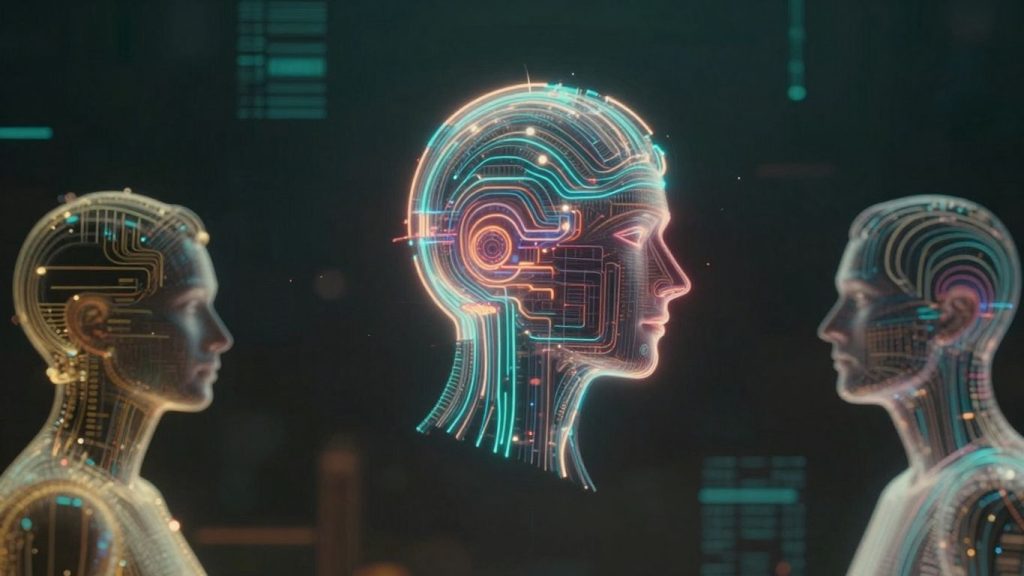
Remember when AI was mostly just chatbots answering simple questions or programs that handled things like processing invoices? Those were the early days, focused on doing one specific job. Agentic AI systems are different. They can actually work together, figure things out, and change based on new information. Think of it like this:
- Collaboration: Multiple AI agents can pass tasks back and forth, much like human colleagues do.
- Reasoning: They don’t just follow instructions. They can look at information, weigh different choices, and make decisions.
- Adaptation: These systems learn from data and the situation they’re in, changing their responses as needed.
This shift means AI is moving from just helping out to becoming a real part of the team. It’s a bit like how businesses used outsourcing for years to handle repetitive tasks, freeing up their own people for bigger picture stuff. The difference now is that this kind of efficiency is being built right into the company’s own systems, using advanced AI agents.
Agentic AI: Collaboration, Reasoning, and Adaptation
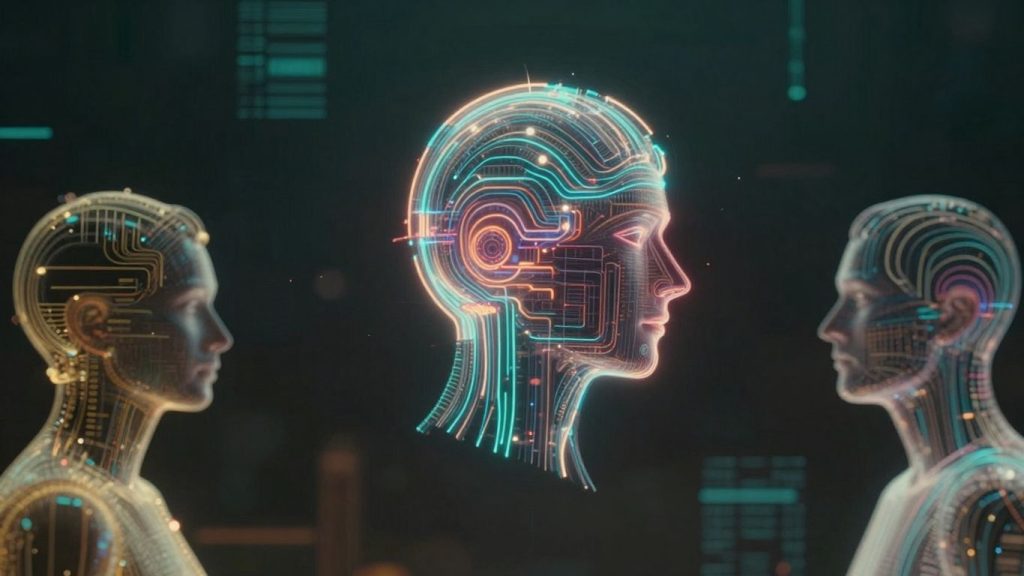
These new AI agents are built to handle much bigger, more complicated jobs than the old systems. They can work together on projects, not just single tasks.
For example, imagine a complex financial report. One agent might pull data from different systems, another might analyze it for trends, and a third could format it into a presentable report. This teamwork allows for much more sophisticated outcomes.
They can also reason through problems. This means they can analyze complex patterns, figure out what a user really wants even if it’s not explicitly stated, and understand the context of interactions. It’s not just about reacting to keywords anymore; it’s about grasping the deeper meaning.
The need for these advanced systems became clear as businesses faced overwhelming complexity in areas like global tax codes and regulatory compliance. They wanted faster insights and quicker filings, all while needing absolute trust in the AI’s outputs, demanding transparency and clear audit trails.
Addressing Complexity, Speed, and Trust
What drove the creation of these Big 4 AI agents? Three main things: complexity, speed, and trust. Businesses were drowning in complex data, like global regulations and financial reporting cycles, which older, static systems couldn’t handle.
They needed answers and actions much faster than before. And critically, any AI solution had to be built with trust in mind, meaning clear explanations for its actions and auditable records.
These agents are designed to meet those needs, acting as scalable digital teammates that can handle global operations with a focus on accuracy and compliance. By 2028, it’s predicted that about 15% of daily work decisions will be made automatically by these kinds of AI systems.
PwC’s Agent OS: An Enterprise AI Operating System
From Limited Chatbots to a Multibillion-Dollar Commitment
PwC, like many others, started dabbling in AI assistants around 2019. But those early chatbots? They were pretty basic, only good for a few simple tasks. It became clear pretty quickly that just having a chatbot wasn’t going to cut it for the complex needs of a global firm.
So, by 2022, PwC decided to go all-in, announcing a massive investment of several billion dollars into artificial intelligence. This big push led to the creation of Agent OS, which officially rolled out in 2025.
The main idea behind Agent OS was to build a system that could manage and scale AI teammates across thousands of employees and clients, making AI a core part of how the company operates.
An App Store for Specialized AI Teammates
Think of Agent OS like an app store, but for AI agents. Instead of downloading apps onto your phone, different departments within PwC can “deploy” specialized AI teammates.
These digital helpers are designed to fit right into specific workflows. It’s a modular approach, meaning you can pick and choose the AI agents you need for your particular job.
Here’s a look at how it’s structured:
- Input Layer: This part pulls information from various company systems like ERP (Enterprise Resource Planning) and CRM (Customer Relationship Management) databases, as well as compliance records.
- Knowledge Layer: This connects to PwC’s own data and industry benchmarks, giving the AI access to a lot of information.
- Governance Hub: This is a key piece. It makes sure all the AI’s work is explainable, follows the rules, and can be checked if needed.
- Output: Based on the inputs and knowledge, the AI can generate things like reports, forecasts, or documents ready for regulatory bodies.
Core Capabilities and Market Positioning
Agent OS can do a lot of different things. It can automate checking compliance rules across different countries, run financial forecasts using up-to-date economic data, and even put together reports on employee risks for HR. It’s also good at providing quick insights for ESG (Environmental, Social, and Governance) reporting.
PwC is marketing Agent OS as a reliable AI partner. Unlike some newer companies that focus on flashy tech, PwC really emphasizes the governance, compliance, and transparency aspects.
This makes Agent OS particularly attractive to industries that have a lot of regulations, like banking and healthcare. It’s seen as a more structured, system-like approach compared to just a simple chatbot.
The focus on a robust governance framework is what sets Agent OS apart, aiming to build trust in AI for sensitive business operations.
KPMG’s AI Workforce Methodology
KPMG has put together a way to help companies bring AI agents into their teams. It’s not just about adding new tech; it’s about rethinking how we manage people and tasks.
This methodology sees AI agents as actual team members, not just tools. They’re looking at how these digital workers can fit into the daily grind, changing how we plan for talent and get work done.
Integrating AI Agents into Workforce Management
KPMG’s approach focuses on weaving AI agents into the fabric of how a company operates. This means looking at everything from hiring and training to how work gets assigned and managed.
They suggest that AI agents can handle a lot of the routine stuff, freeing up human workers for more complex or creative jobs.
It’s about creating a hybrid team where humans and AI work together smoothly.
This integration is key to making sure AI doesn’t just sit on the sidelines but actively contributes to business goals. Companies are already seeing the benefits of this, with many looking to get even more out of their AI investments.
The Imperative for Upskilling and Reskilling
With AI agents becoming more common, there’s a big need to update the skills of the human workforce. A lot of executives agree that significant investment in training programs is necessary.
KPMG’s methodology highlights this, pushing for programs that help people learn how to work alongside AI. This isn’t just about learning new software; it’s about developing new ways of thinking and problem-solving.
The goal is to make sure everyone, human and AI, is ready for the future of work. It’s a big shift, and getting it right means a more capable and adaptable team.
Fostering Agility and Adaptability
One of the main points of KPMG’s methodology is building a more agile and adaptable workforce. AI agents can help with this by speeding up processes and providing quick insights.
This allows businesses to react faster to market changes and customer needs. It’s about creating a work environment that can quickly adjust to new technologies and demands.
This flexibility is what will help companies stay competitive in the long run. By blending human ingenuity with AI capabilities, organizations can create a workforce that’s ready for anything.
The future of work involves humans and AI agents collaborating. AI will take on routine tasks and partner with people on strategic and creative projects. This collaboration is expected to lead to significant boosts in productivity, with AI agents enabling continuous operations and better decision-making through real-time data. New business models and revenue streams are also anticipated as operational costs are optimized and customer experiences become more personalized.
Here’s a look at how KPMG breaks down some key areas:
- Skills Mapping: Identifying current skills and pinpointing gaps that AI can help fill or where human training is needed.
- Performance Management: Using AI to get real-time feedback on how both human and AI team members are performing.
- Talent Opportunity Assessment: Figuring out where AI can best be used and how to secure the right human skills to complement it.
- Technology Integration: Making sure the AI tools work well with existing systems for a smooth workflow.
The Power of Multi-Agent Systems
From Single Tasks to Coordinated Projects
We’re moving past AI agents that just do one thing. Think about it like this: a single agent might be great at answering customer questions, but what happens when that question needs inventory checked, a shipping label created, and a payment processed? That’s where multi-agent systems shine.
Instead of one AI trying to juggle everything, you have a team of specialized agents working together. One agent handles the customer chat, another checks the stock levels, a third figures out the best shipping route, and a fourth processes the payment.
This coordinated effort allows AI to tackle much larger, more complex projects that were previously out of reach. It’s like going from a single musician playing a solo to a full orchestra performing a symphony.
Orchestrator Agents: Managing AI Teams
Just like in a human workplace, these teams of AI agents need direction. That’s where orchestrator agents come in. These are essentially AI managers. They don’t do the individual tasks themselves, but they assign them, keep track of progress, and make sure everything gets done in the right order.
Imagine a restaurant: you have hosts, servers, chefs, and dishwashers. The general manager (the orchestrator agent) doesn’t cook the food or serve the tables, but they make sure the whole operation runs smoothly.
In an enterprise, an orchestrator agent could manage a customer service inquiry, making sure the right specialist agents are involved and their work is synchronized.
Cross-Organizational and Ecosystem Collaboration
The potential doesn’t stop at a single company. Multi-agent systems can work together across different organizations, industries, and even entire global ecosystems.
Picture AI agents from a manufacturer, a shipping company, and a retailer all communicating and coordinating in real-time. If there’s a delay in production, the shipping agent is notified immediately and can adjust routes, while the retailer’s agent can update inventory forecasts.
This creates incredibly efficient, self-adjusting networks. It’s a big shift, moving towards what some call an ‘agent-to-agent’ (A2A) world where AI systems collaborate directly to optimize operations on a massive scale. Of course, human oversight will still be needed to set the rules and ensure these systems align with our goals.
Here’s a look at how this collaboration might play out:
- Supply Chain Optimization: Agents from different companies in a supply chain can share data to predict demand, manage inventory, and reroute shipments in response to disruptions, all automatically.
- Financial Services: AI agents can work together to monitor markets, assess risk, and execute trades, potentially across multiple financial institutions.
- Healthcare Coordination: Agents could track a patient’s journey across different providers, appointments, and treatments, ensuring continuity of care and flagging potential issues.
The move towards multi-agent systems signifies a move from isolated AI tools to integrated, collaborative digital workforces. This requires new ways of thinking about how AI is managed and how it interacts, both internally within an organization and externally with partners and the wider market.
The Future Capabilities of AI Agents
Beyond Text: Multimodal Understanding
Right now, most AI agents are pretty much stuck with text. They read what you type and write back. But the world isn’t just words, is it? Think about it – we see things, we hear things. The next big step for AI agents is to do the same. They’re getting “eyes” and “ears” so they can understand images, videos, and audio.
This means an agent could look at a picture of a broken part and know what’s wrong, or listen to a weird engine noise and tell you what needs fixing. It opens up a whole new way for them to interact with the world and the information in it.
Voice Interaction and Data Synthesis
Imagine being able to just talk to your AI agent. No more typing out long requests. You could say, “Pull up the sales numbers for last quarter, figure out why they dropped, and tell me what we should do about it.”
Agents will get much better at understanding spoken language and then quickly processing huge amounts of data. They won’t just give you raw numbers; they’ll synthesize it, find patterns you might miss, and present clear findings. This makes them incredibly useful for spotting trends and making faster decisions.
Enhanced Reasoning for Complex Decision-Making
AI agents are also learning to think more deeply. Instead of just following simple instructions, they’ll be able to reason through complex problems. This means they’ll know when a task needs careful thought and when it’s straightforward. They can go through a process of thinking, acting, and checking their work until a goal is met.
This ability to “think out loud” and adjust their approach makes them much more reliable for tricky situations. They’ll be able to handle multi-step projects and make smarter choices, acting more like a seasoned colleague than just a tool.
The evolution of AI agents is moving beyond simple commands. They are developing the capacity to perceive, interpret, and interact with the world through multiple senses, much like humans do. This multimodal capability, combined with advanced reasoning and memory, will allow them to tackle increasingly sophisticated tasks and collaborate more effectively, both with humans and other AI systems.
Transforming the Workforce with AI Teammates
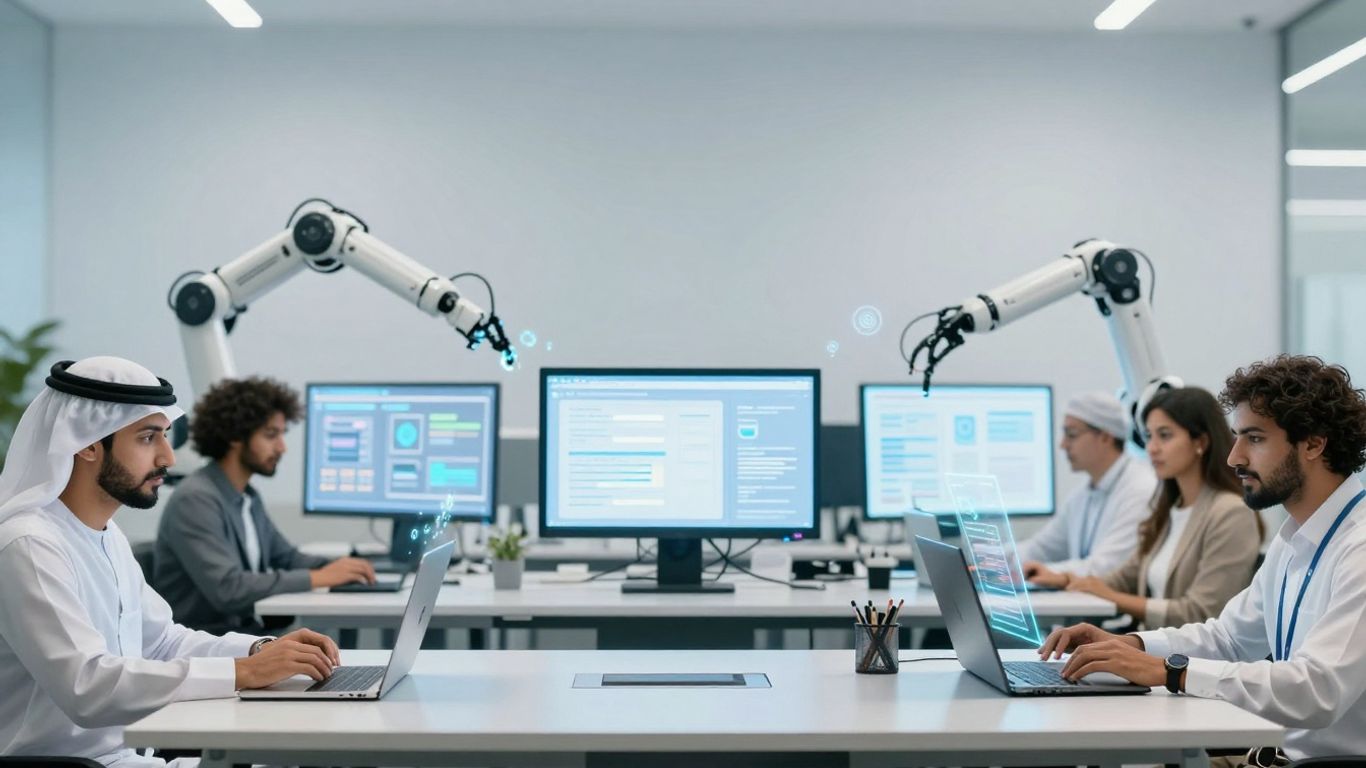
It’s not just about having smarter software anymore. We’re talking about actual AI agents that can work alongside us, kind of like digital colleagues. This changes how we think about jobs and who does what. Companies are starting to see these AI agents not as tools, but as part of the team.
Managing Digital Talent Alongside Human Talent
Think about it: if an AI agent is going to be doing tasks, maybe even complex ones, we need to manage it like we manage people. This means things like onboarding it, figuring out what it needs to learn, and how well it’s doing its job. It’s a whole new way to look at organizational charts.
- Onboarding: Just like a new hire, AI agents need to be set up with their roles and access.
- Learning & Upskilling: AI agents might need updates or new training to handle new tasks.
- Performance: We’ll need ways to measure how effective they are.
This approach helps make sure that both humans and AI agents are working together smoothly. It’s about making sure everyone, digital or not, is contributing effectively.
The Evolving Role of Professionals
As AI agents take on more tasks, especially the repetitive ones, what does that leave for us humans? It means our jobs will likely shift. We might spend less time on routine work and more time on things that require creativity, critical thinking, or dealing with complex human interactions. It’s a big change, and it means we all need to be ready to adapt.
The pace of change means companies can’t just plan for the next five years. They need to be able to adjust their workforce plans all the time, like a constant feedback loop. This is especially true when you consider how quickly AI technology is moving.
Driving Productivity and New Business Models
When AI agents and humans work well together, productivity can really jump. We’re seeing numbers suggesting significant increases in how much work gets done. This isn’t just about doing the same things faster; it’s about opening doors to entirely new ways of doing business.
Maybe we can offer services we couldn’t before, or reach customers in new ways, all thanks to this human-AI collaboration. It’s a pretty exciting prospect, honestly.
The Road Ahead with AI Teammates
So, we’ve looked at these big AI agents from PwC, Deloitte, EY, and KPMG. They’re not just fancy tools; they’re changing how work gets done. Think of them like a new kind of employee, one that can handle a lot of the repetitive stuff so people can focus on the bigger picture. It’s kind of like outsourcing, but the smarts stay right inside the company.
This means businesses can get things done faster and maybe even better. For anyone leading a company, it’s pretty clear: AI teammates are here to stay.
Learning from how these big firms are using them could really help cut costs and find new ways to be successful. The future is about working alongside these AI agents, and getting it right now means being ready for whatever comes next.
Frequently Asked Questions
What are the “Big 4 AI Agents”?
The “Big 4 AI Agents” are advanced artificial intelligence systems created by major consulting firms like PwC and KPMG. Think of them as super-smart digital helpers that can do complex jobs, work with other AI helpers, and learn as they go. They’re designed to help businesses work smarter and faster.
How are these AI agents different from regular chatbots?
Regular chatbots usually just answer simple questions or do one specific task. These new AI agents are much more powerful. They can work together on big projects, figure things out on their own, and adapt to new information, kind of like a human teammate would, but much faster.
Why are companies like PwC and KPMG building these AI agents?
These companies help other businesses with their problems. They saw that businesses needed help with really complicated tasks, needed answers super quickly, and needed to make sure everything they did was safe and follow the rules. So, they built these AI agents to help their clients with these exact challenges.
Will AI agents replace human workers?
It’s more likely that AI agents will become like digital teammates. They’ll handle the repetitive or difficult tasks, freeing up humans to focus on more creative, strategic, and important work. People will also be needed to manage and guide these AI agents.
What does “multi-agent systems” mean?
This means having several AI agents working together as a team. Instead of one agent doing a whole job, different agents with special skills can handle different parts of a big project. It’s like having a team of experts collaborating to get a complex task done efficiently.
What kind of new abilities will AI agents have in the future?
In the future, AI agents will be able to understand more than just text. They’ll be able to see images, hear sounds, and even understand spoken language. They’ll also get much better at thinking through problems and making smart decisions, making them even more helpful partners.