So, is AI a stressful job? It’s a question on a lot of people’s minds these days. With AI popping up everywhere, it’s natural to wonder how it’s affecting us at work. We hear about all the cool things AI can do, but also about how it might change jobs, or even replace them.
This can bring up a lot of feelings – excitement, sure, but also worry. Let’s break down what’s really going on and how we can deal with the stress that comes with all this new tech.
Key Takeaways
- AI brings both good and bad to the workplace; it can make tasks easier but also create new pressures, leading to mixed feelings about the technology.
- Feeling stressed about AI is normal. It’s often tied to worries about job security, learning new skills, and keeping up with fast changes.
- Instead of ignoring stress, try to figure out exactly what’s bothering you. Then, take small, manageable steps to address it, like learning one new tool.
- Companies should introduce AI thoughtfully, making sure employees have support, training, and clear communication to ease the transition.
- Stress from AI can affect not just our minds but also our physical health. Organizations need to look at the bigger picture of employee well-being.
Understanding The Roots Of AI-Related Stress

It feels like everywhere you turn these days, there’s talk about AI. And while it promises a lot of cool stuff, it also brings a whole new set of worries to the workplace. It’s not just about learning new software; it’s deeper than that. We’re talking about how AI changes our jobs, our skills, and even our sense of security.
The Dual Nature Of AI: Opportunity Versus Threat
AI is kind of a double-edged sword. On one hand, it can automate boring tasks, help us make sense of huge amounts of data, and generally make work smoother. Think of it as a tool that can free you up to do more interesting things.
But on the other hand, it can feel like a threat. It might make some jobs seem obsolete, or it could demand skills you don’t have yet. This mix of potential benefits and perceived dangers is a big reason why people feel stressed.
Technostress Theory And The Job Demands-Resources Model
There are actual theories that help explain this. Technostress is a term for the stress people feel when they can’t keep up with new technology. It can lead to feeling overloaded, unsure about your role, or even worried about your privacy. Then there’s the Job Demands-Resources model.
This idea says that jobs have demands (like complex tasks or needing new skills) and resources (like support or training). When the demands get too high and the resources aren’t enough, stress goes up. AI can definitely increase those demands.
Fear Of Obsolescence And Uncertainty About The Future
Perhaps the biggest worry for many is the fear of becoming irrelevant. Will AI take my job? Will my skills still be needed in five years? This uncertainty about the future is a heavy burden.
It’s hard to plan or feel secure when the ground beneath your feet seems to be constantly shifting. This anxiety isn’t just about losing a job; it’s about losing your professional identity and the sense of purpose that comes with it.
The core of AI-related stress often boils down to a perceived threat to our resources – our skills, our job security, and our sense of control. When these feel jeopardized, our natural response is stress.
Here’s a quick look at how AI can introduce new job demands:
- Learning New Tools: Constantly needing to get up to speed on AI platforms.
- Changing Workflows: Adapting to how AI reshapes daily tasks and processes.
- Increased Expectations: Pressure to use AI to achieve higher levels of productivity or innovation.
- Role Ambiguity: Not being entirely sure how your role fits in with AI integration.
Recognizing The Signs Of AI-Induced Strain
It’s easy to talk about AI changing the workplace, but what does that actually feel like for people? Sometimes, the stress creeps up on you. You might find yourself dreading opening your email, not because of the workload, but because you know there’s another new AI tool you’re supposed to be using. Or maybe you’re having trouble switching off after work, your mind still buzzing with thoughts about how AI might change your job next year.
Physical Manifestations Of Technology Tension
This isn’t just in your head. All that worry can actually make you feel physically unwell. Think about those times you’ve had a knot in your stomach before a big presentation – it’s kind of like that, but ongoing. You might notice:
- Headaches that seem to come out of nowhere.
- Feeling tired all the time, even after a full night’s sleep.
- Muscle tension, especially in your neck and shoulders.
- Digestive issues that pop up when you’re feeling particularly stressed about work.
It’s your body’s way of saying, ‘Hey, something’s not right here.’ Ignoring these signals can lead to bigger health problems down the road, so it’s important to pay attention.
Mental Strain And Worry About Evolving Workplaces
Beyond the physical stuff, there’s the mental load. It’s that constant hum of anxiety about what’s next. You might find yourself:
- Constantly worrying about whether your skills will still be relevant in a year or two.
- Feeling a sense of dread when you read news articles about AI advancements.
- Having trouble concentrating on your current tasks because your mind is racing about future job security.
- Experiencing a general feeling of unease or irritability that seems tied to your work environment.
This kind of mental strain can make even simple tasks feel overwhelming. It’s like trying to walk through thick fog – you know where you need to go, but it’s hard to see the path clearly.
Digital Overload And Difficulty Unplugging
We’re surrounded by screens and notifications all day, every day. When AI tools get added to the mix, it can feel like too much. You might be getting alerts from multiple AI platforms, trying to learn new software, and still needing to do your actual job. This constant digital bombardment can lead to:
- Feeling overwhelmed by the sheer volume of information and tasks.
- Difficulty disconnecting from work, even when you’re supposed to be relaxing.
- A sense of being ‘always on,’ which drains your mental energy.
- Reduced trust in technology, as it starts to feel more like a burden than a help.
The line between work and personal life gets really blurry when technology is always present. It’s tough to find downtime when your phone buzzes with work-related AI updates at dinner or when you’re trying to watch a movie. This constant connection can chip away at your ability to recharge, making you feel more susceptible to stress and burnout.
Recognizing these signs is the first step. It’s not about being weak; it’s about acknowledging that adapting to rapid technological change is genuinely challenging and can take a toll on both your body and mind.
Navigating AI Anxiety: From Helplessness To Empowerment
That feeling of being totally overwhelmed by AI, like you’re just supposed to know how it all works? It’s real, and it can make you feel pretty stuck. It’s like staring at a giant puzzle with no instructions. You see everyone else seemingly putting pieces together, and you’re just… lost.
This feeling, where you think you can’t do anything about it, is often called learned helplessness. It happens when we face something tough, try a bit, and then feel like we’ve failed, so we just stop trying altogether. AI can feel like that sometimes, right? It’s new, it’s fast, and it seems like it’s changing everything.
Naming The Specific Sources Of Stress
First off, that big, vague worry about “AI” is actually a bunch of smaller, more specific worries all mashed together. Your brain isn’t great at telling the difference between a huge, undefined problem and a concrete one. So, when you feel that general unease, take a breath and try to pinpoint what’s really bothering you. Is it:
- Not knowing how to use a particular AI tool?
- Worrying about whether your job will still be around?
- Feeling pressure to use new tech you haven’t been trained on?
- Thinking your company is adopting AI without a clear plan?
Taking Action To Build Momentum
Once you’ve figured out what’s actually causing the stress, you can start to do something about it. Stress is basically your body telling you to move. The trick is to act while you’re feeling that energy, not wait until you’re completely drained. If you’re worried about your AI skills, don’t wait for the “perfect” time.
Pick just one tool and spend 15 minutes playing with it. Ask it a question related to your actual work. See what happens. You don’t need to become an expert overnight. You just need to start.
Motivation often follows action, not the other way around. Taking even a small step can create a ripple effect, making you feel more capable and ready to tackle the next challenge. This is how you build momentum.
Leveraging Social Connections For Support
Nobody was meant to handle big challenges alone. Stress actually pushes us to connect with others. So, instead of quietly struggling with AI confusion, try talking about it. Maybe start a chat group where people share what they’re learning about AI, or what’s not working.
You could even suggest a short, weekly session where colleagues try out new AI tools together. Sharing the learning process can make it less intimidating and more productive for everyone involved.
Organizational Strategies For Mitigating AI Stress
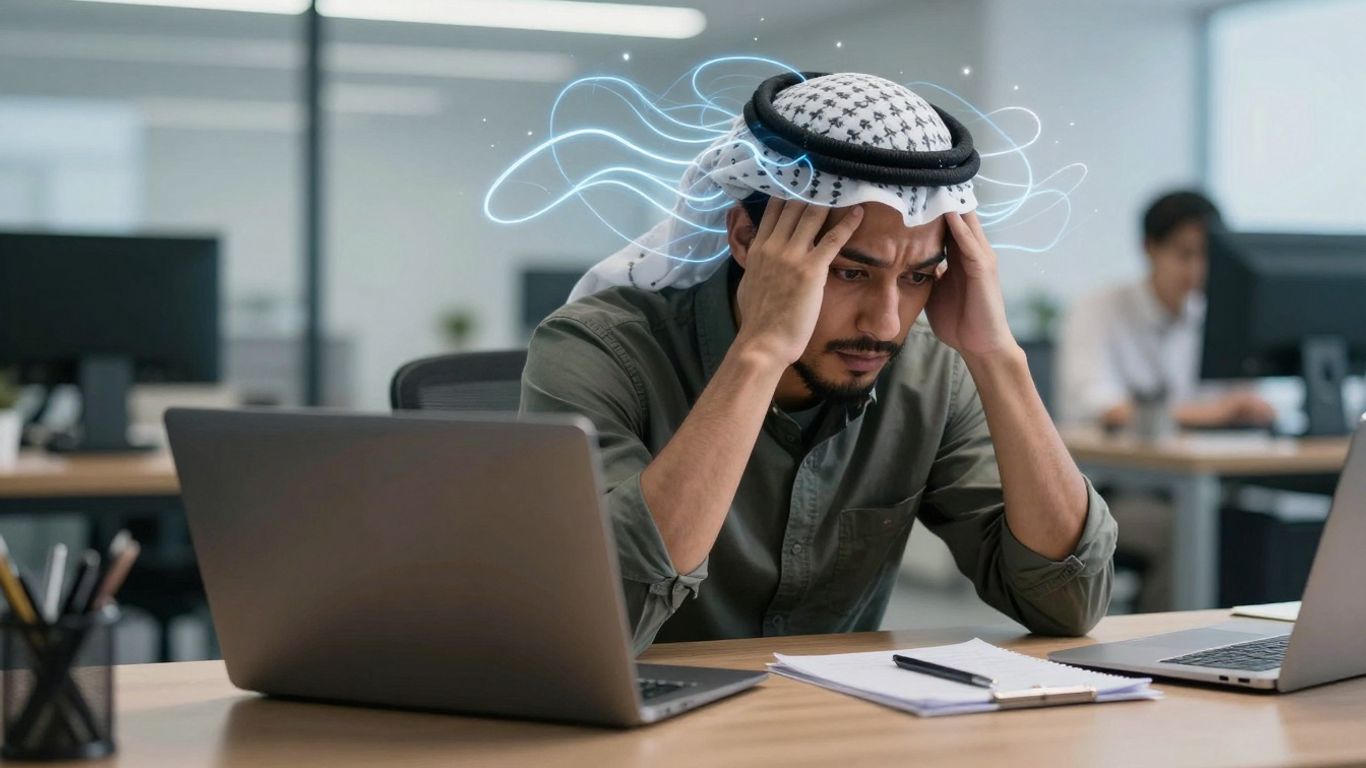
When companies start bringing in new AI tools, it can feel like a whirlwind. Things change fast, and it’s easy for people to feel a bit lost or worried. But businesses can do a lot to make this transition smoother for everyone. It’s not just about the tech itself, but how people are supported through the changes.
Judicious AI Adoption With Employee Well-Being In Mind
Rolling out AI shouldn’t be a surprise party for your employees. Think about why you’re bringing in a new tool and what it actually means for the day-to-day jobs. It’s better to introduce AI thoughtfully, considering how it will affect the people using it.
This means not just looking at efficiency gains, but also at potential downsides like increased workload or the need for new skills. A slow, planned approach helps people adjust.
- Phased Implementation: Introduce AI tools gradually, allowing teams time to learn and adapt. Start with pilot programs to iron out kinks before a wider rollout.
- Clear Communication: Explain the purpose of the AI, how it will be used, and what benefits it brings to both the company and the employees.
- Impact Assessment: Before adopting new AI, assess its potential impact on job roles, workflows, and employee stress levels. Plan mitigation strategies accordingly.
Organizations that rush into AI adoption without considering their workforce often create more problems than they solve. A measured approach shows respect for employees and builds trust.
The Role Of Coaching Leadership In Technological Transitions
Leaders play a big part in how employees feel about new technology. Instead of just telling people what to do, managers who act more like coaches can make a real difference. This means offering guidance, listening to concerns, and helping people figure things out. When leaders are supportive, employees feel more confident tackling new AI tools and processes.
- Mentorship and Guidance: Managers should actively guide their teams, helping them understand new AI systems and how to use them effectively.
- Open Dialogue: Create an environment where employees feel comfortable asking questions and expressing concerns about AI without fear of judgment.
- Skill Development Support: Encourage and facilitate opportunities for employees to learn new skills related to AI, providing resources and time for training.
Holistic Well-Being Initiatives Addressing Psychological Stressors
Employee well-being isn’t just about physical health. When AI changes how people work, it can bring on mental stress too. Companies should look at well-being programs that cover both.
This could mean offering stress management workshops, mental health resources, or even just encouraging breaks and time away from screens. Addressing the psychological side of AI-related stress is just as important as the technical training.
| Stressor Category | Potential AI Impact | Mitigation Strategy Example |
|---|---|---|
| Job Security | Fear of job displacement due to automation | Retraining programs, internal mobility opportunities |
| Skill Obsolescence | Feeling unqualified for new AI-driven tasks | Continuous learning platforms, skill-building workshops |
| Information Overload | Difficulty keeping up with new AI tools and updates | Structured training, clear documentation, designated support |
| Work-Life Balance | Pressure to be always available or responsive to AI | Clear policies on digital communication, encouraging downtime |
It’s important for companies to remember that AI is a tool, and like any tool, its impact depends on how it’s used and managed. By focusing on people, providing support, and adopting AI with care, organizations can help their employees feel more secure and capable, turning potential stress into a chance for growth.
The Impact Of AI On Employee Well-Being
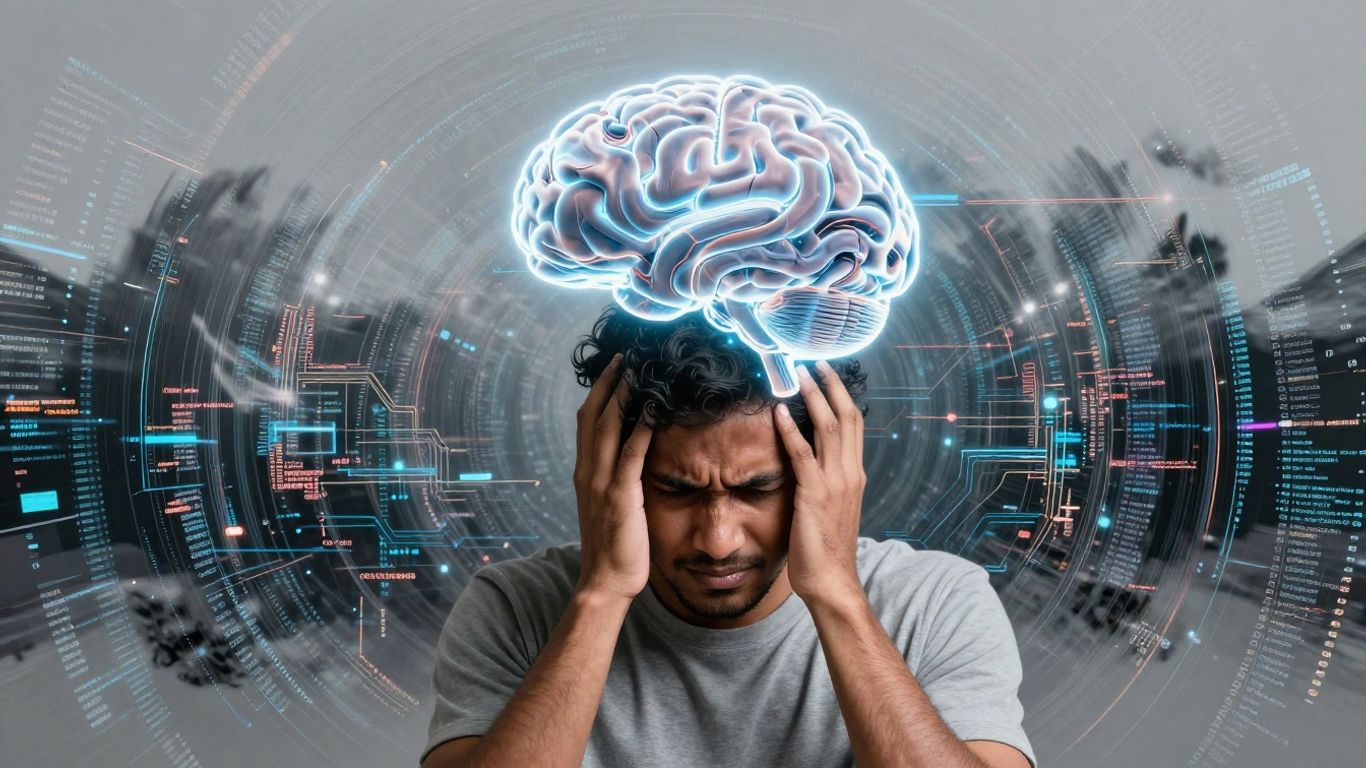
AI is changing how we work, and it’s not just about new tools. It’s also about how it affects us, physically and mentally. We’re seeing a lot more focus on how employee health ties into how well a company does overall. Think about it: if people aren’t feeling good, they can’t do their best work, right? AI is right in the middle of this, bringing both good stuff and some tricky parts.
AI’s Influence On Job Security And Competency
One of the biggest worries people have is whether AI will make their jobs obsolete or if they’ll have the right skills to keep up. It’s a valid concern. AI can do some tasks faster and more accurately than humans, which naturally leads to questions about future roles.
This feeling of uncertainty can really weigh on people. It’s not just about losing a job, but also about feeling like your skills aren’t good enough anymore. This can lead to a lot of anxiety about your career path and what you need to learn next.
The Mediating Role Of Job Stress On Physical Health
It turns out that the stress AI can cause isn’t just in your head; it can actually affect your body. When you’re worried about your job, feeling overwhelmed by new technology, or concerned about your future, that stress can manifest physically. We’re talking about things like trouble sleeping, headaches, or even more serious health issues over time.
It’s like a chain reaction: AI adoption leads to job stress, and that stress then impacts your physical health. Understanding this connection is key to addressing the problem. For more on how technology can affect frontline workers, you can check out passive AI approaches.
Potential For Resource Depletion And Loss Spirals
When people are constantly stressed about AI and their jobs, their personal resources can get drained. Imagine trying to learn a new AI system while also worrying about job security and dealing with the physical effects of stress.
It’s a lot. This can lead to what some call a ‘loss spiral,’ where one negative experience or worry leads to another, making it harder and harder to bounce back. It’s like being stuck in a cycle where everything feels like a struggle, and it’s tough to see a way out. This is why it’s so important for companies to think about the human side of AI integration, not just the technical side.
Reframing Stress As Information And Motivation
So, you’re feeling that knot in your stomach when you think about AI at work. Maybe it’s the constant updates, the feeling of not quite keeping up, or just the general uncertainty of it all. It’s easy to see that stress as a bad thing, a sign you’re failing.
But what if it’s actually the opposite? What if that feeling is your body’s way of telling you something important is happening, something that matters?
Stress As A Signal To Pay Attention
Think of stress not as an enemy, but as a messenger. When you feel anxious about AI, your system is essentially saying, “Hey, pay attention here. This is significant, and you need to engage.” It’s a natural response, designed to mobilize you.
Your body releases hormones that, while sometimes uncomfortable, are meant to help you react and adapt. The real issue isn’t the stress itself, but how we’ve been conditioned to react to it – often by trying to suppress it or by feeling paralyzed by it.
The problem isn’t the stress. The problem is what we’ve been taught to do with it. Organizations often try to manage stress away with wellness apps, while simultaneously creating the very conditions that generate more of it. They expect employees to handle massive technological shifts alone, leading to burnout.
Transforming Stress Into Forward Momentum
Instead of trying to eliminate AI-related stress, which is probably here to stay, let’s look at how we can use that energy. It’s about turning that feeling of being overwhelmed into a launchpad for action. This approach helps shift you from feeling helpless to feeling more in control.
Here’s a simple breakdown of how to start:
- Name It: Get specific about what’s causing the stress. Is it a particular tool you don’t understand? Worry about job security? Pressure to perform with new tech? Pinpointing the exact source makes it a solvable problem, not an amorphous dread.
- Act Small: Stress is energy. Use it. Don’t wait until you feel calm to act. If you’re worried about AI skills, spend just 15 minutes today playing with one tool. Ask it a work-related question. The goal isn’t mastery, it’s starting. Motivation often follows action, not the other way around.
- Connect: Stress is a social signal. Your body releases oxytocin to encourage connection. Instead of struggling alone, talk to colleagues. Share what you’re learning, or even what’s not working. Starting a small group to explore AI tools together can make a big difference.
The Winner’s Effect: Small Wins Build Confidence
This process is all about building momentum. When you take that first small action, even while feeling stressed, you create a tiny win. This rewires your brain to expect more wins. It’s like building a muscle; each small success makes the next challenge feel a little less daunting.
This cycle of action and small victories transforms your relationship with uncertainty and builds confidence over time. It proves that you can adapt and grow, even when things feel uncertain. For more on how companies are approaching AI integration, you can look at AI awareness can heighten.
Remember, your stress about AI isn’t a sign of weakness. It’s a sign that you’re engaged and ready to learn. It’s proof you’re awake to the changes happening around you.
Moving Forward: AI, Stress, and Our Path Ahead
So, is AI a stressful job? The short answer seems to be: it can be, but it doesn’t have to be the whole story. We’ve seen how the rapid pace of change, the uncertainty about our roles, and the pressure to keep up can definitely ramp up the stress. It’s like trying to learn a new language overnight while also juggling your regular workload.
But here’s the thing: that stress isn’t necessarily a bad sign. It’s often just our way of saying, ‘Hey, this is important, pay attention.’ Instead of trying to make the stress disappear, maybe the trick is to use that energy. Organizations have a big part to play here, offering clear strategies, good training, and support instead of just throwing new tech at people and hoping for the best.
And for us as individuals, understanding what’s really causing the stress – is it a specific tool, job security, or something else? – and then taking small, manageable steps, maybe even with a colleague, can make a huge difference. AI isn’t going anywhere, so learning to work with it, and with the stress it might bring, is key to finding a balance that works for everyone.
Frequently Asked Questions
Why does AI make some people feel stressed at work?
AI can be a bit scary because it’s new and changing fast. Some people worry that AI might take their jobs or that they won’t be able to learn the new skills needed. It’s like feeling overwhelmed when you have too much homework or a new game that’s hard to figure out. This feeling of not being able to keep up or losing your job is a big reason for stress.
What are the signs that AI is making my job stressful?
You might notice you’re more tired than usual, have trouble sleeping, or feel grumpy a lot. Sometimes, it’s hard to focus on your work, or you might feel worried all the time about what AI means for your future. If you’re constantly checking emails or feeling like you can never switch off from technology, that’s a sign too.
Can AI actually help reduce stress at work?
Yes, it can! AI can take over boring or repetitive tasks, freeing you up to do more interesting work. Think of it like having a helper that does the chores you don’t like, so you have more time for fun stuff. AI can also help you find information faster or solve problems, which can make your job easier and less stressful.
What can my company do to help with AI stress?
Companies can be smart about how they bring in AI. They should make sure employees get good training and have the support they need to learn new tools. Leaders should also be understanding and help their teams adjust, rather than just expecting everyone to figure it out on their own. Offering ways to relax and manage stress is also important.
Is it normal to feel anxious about AI changing my job?
Absolutely. It’s totally normal to feel a bit worried or unsure when big changes happen at work, especially with technology like AI. It’s like when your school gets a new principal or a new schedule – it takes time to get used to it. Feeling anxious just means you’re paying attention to what’s going on.
How can I stop feeling so stressed about AI?
Instead of trying to ignore the stress, try to figure out exactly what’s bothering you. Are you worried about a specific tool? Or your job security? Once you know the problem, you can take small steps to fix it, like learning one new AI skill or talking to a coworker about your concerns. Sometimes, just talking about it can make a big difference.